







Search Results for: Deja Variety
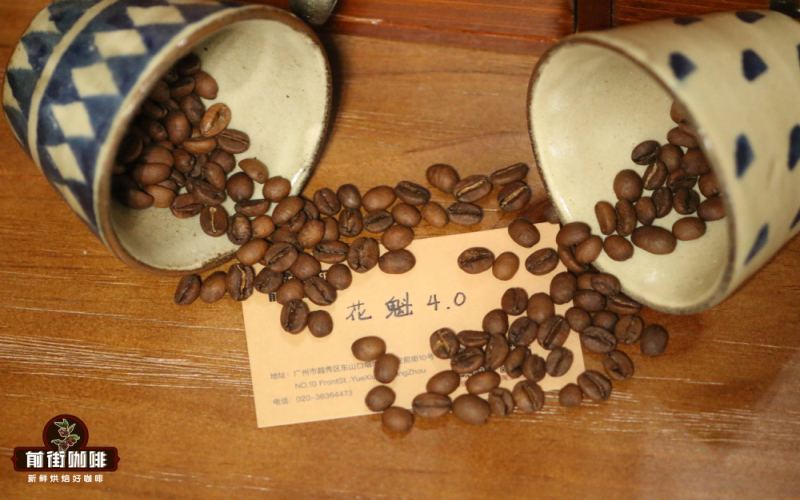
Flavor Analysis of Ethiopia Guji Hambela Hambela Coffee: Examining the Flavor Evolution of Dega Varieties Through Hambela 4.0
Since winning the championship in 2017, Huakui coffee has captured the hearts of many coffee lovers with its strawberry and cream-like aroma. From its first generation to version 4.0, this natural-process bean from the Guji Hambela region of Ethiopia has undergone variety changes and production-area expansion, and its flavor has changed accordingly. This article will systematically sort out the origin story of Huakui, methods for identifying the real from the fake, the characteristics of the Dega variety, and Front Street Coffee's roasting and brewing practices, taking you through a comprehensive understanding of exactly how Huakui 4.0 differs from previous generations, and how to brew a cup of richly layered Hambela natural coffee at home. [more…]
The Origin and Flavor Code of Arabica Coffee Beans: A Full Analysis from Variety Characteristics to Common Subspecies and Hybrids
Why can Arabica coffee beans become synonymous with specialty coffee? From the perspective of Front Street Coffee, this article systematically sorts out the core differences between Arabica and Robusta in flavor, growing conditions, and caffeine content, and introduces one by one the origins and flavor characteristics of common Arabica-derived subspecies and hybrid varieties such as Typica, Bourbon, Caturra, Geisha, Catimor, and SL28. It also includes the producing regions, altitudes, processing methods, and flavor descriptions of several representative coffee beans in Front Street Coffee stores, helping coffee enthusiasts fully understand the Arabica variety system so they can more accurately select coffee beans that match their personal preferences. [more…]
What is the papaya (Papayo) coffee variety? Introduction to the new coffee variety papaya.
In recent years, the coffee market has been very interested in some rare or exclusive coffee varieties, and recently some special varieties have appeared in the public view through coffee competitions, among which there is the papaya variety (Papayo) [more…]
Ethiopian Coffee Variety Analysis: Characteristic Differences Between the Native Heirloom Variety and the Numerically Bred Varieties 74158, 74112, and 74110
Ethiopia, as coffee's genetic treasure trove, has a variety system far more complex than one might imagine. The Heirloom native variety label commonly seen on the market is actually a collective term for mixed-harvest varieties, not a single specific variety. The numeric codes such as 74110, 74112, and 74158 that have frequently appeared in recent years originate from JARC's disease-resistant breeding program in the 1970s. This article will systematically sort out the classification of Ethiopian coffee cultivation models, the essential meaning of Heirloom, the origin of the 74-series numeric varieties, and the identification and naming of Landrace local varieties, helping coffee enthusiasts understand the variety information on Ethiopian coffee bags. [more…]
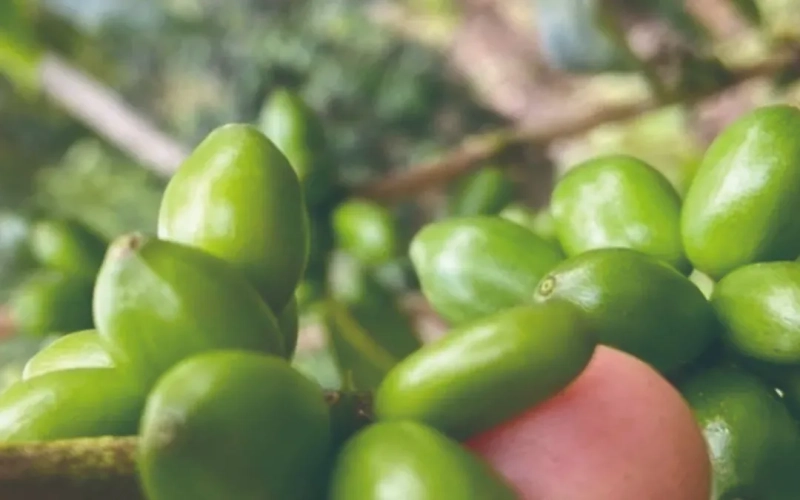
Exploring the Papayo Coffee Variety: Analysis of a Rare Rising Star from Huila, Colombia, and Its Flavor Potential
The coffee world is never short of surprises, and recently a variety called Papayo is making its way into the public eye through the competition stage. Its name comes from the coffee fruit's resemblance to a papaya, and it is mainly rooted in producing regions such as Huila, Colombia. Although it is often mistakenly believed to be related to Obligon, the World Coffee Research Institute points out that there is no evidence to support this claim. According to Miller Bustos, owner of Finca El Mirador, this variety has high yields, performs best in flavor at altitudes between 1,400 and 2,000 meters, and is suitable for washed, natural, and honey processing, capable of presenting chocolate, caramel, tropical fruit, and a silky mouthfeel. This article will take you through an in-depth understanding of the Papayo variety's origin controversies, current cultivation status, processing methods, and cup potential, along with Front Street Coffee's recommended perspective. [more…]
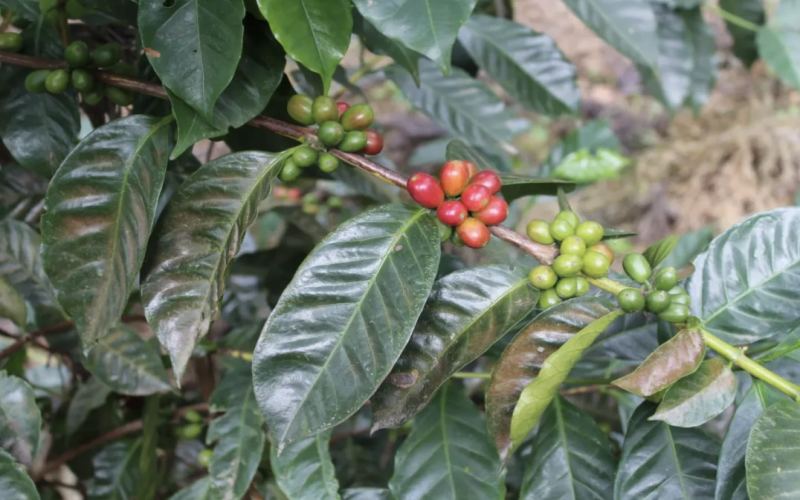
Some new coffee varieties: sidra, Eugenio Des, Wush Wush, and the variety introduction of Laurina.
Coffee can be divided into three major varieties: Arabica, Robusta, and Liberica. Currently, Arabica and Robusta are the most commonly used coffee tree species for commercial planting. With the development of the coffee industry, the coffee varieties [more…]

A Comprehensive Analysis of Indonesian Java Coffee: Are Production Regions, Varieties, and the Java Variety Actually the Same Thing?
The word Java actually encompasses three different references in the coffee world: it can be an Indonesian growing region, the name of a coffee variety in the cup, or used as a broader umbrella term. This article, from the perspective of Front Street, first introduces the geography and historical background of Java Island as Indonesia's second-largest coffee-producing region, then traces back to the Dutch introduction of Typica to Java and the later shift from Arabica to Robusta. It then focuses on clarifying the true identity of the Java variety—it did not originate in Indonesia but is a local variety selected in Ethiopia and later introduced elsewhere—and distinguishes the physical differences between long-berry and short-berry Java. After reading, you will understand: the Java variety can be called Java coffee, but Java coffee is not necessarily the Java variety. [more…]

2024 Nicaragua Cup of Excellence Results Announced: Pacamara Variety Debuts and Wins Runner-Up
The results of the 2024 Nicaragua Cup of Excellence (COE) competition were recently announced, with the Geisha variety continuing its strong performance, sweeping first, third, and fourth places, among which the natural Geisha won the championship with 91.10 points. However, the most eye-catching aspect of this competition was undoubtedly the Parainema variety, which made its first appearance in Nicaragua, winning second place with 89.85 points. This rare variety, which previously won the 2017 Honduras COE, has what kind of genetic origins behind it? Can it break buyers' prejudice against the cup quality of leaf rust-resistant varieties? This article will provide a detailed interpretation of the origins, development, and outstanding performance of Parainema in this competition, while also introducing Front Street Coffee's attention to and recommendation of this variety. [more…]

What exactly are Arabica coffee beans? A full analysis from variety origins to Typica, Bourbon, Caturra, and Catuai
People often say "100% Arabica," but what exactly does Arabica refer to? Is it a country, a producing region, or a coffee variety? In fact, Arabica is just one of the three major coffee species, the other two being Robusta and Liberica, and Arabica is widely used in specialty coffee due to its outstanding flavor. Its caffeine content is about 0.8%-1.5%, yet it accounts for about 75% of global production, but its growing conditions are demanding—it is vulnerable to frost, drought, and leaf rust. In this article, Front Street Coffee will guide you through the origin of the name Arabica, its spread and history, and the common varieties derived from it, such as Typica, Bourbon, Caturra, and Catuai, along with the origin and flavor information of representative coffee beans for each variety, to help you choose your ideal coffee more clearly. [more…]

2022 BOP Competition Hacienda La Esmeralda Chicho Gayo: Is It a Geisha Variety? Unveiling the High-Scoring Coffee in the Traditional Group
The results of the 2022 Best of Panama (BOP) green bean competition are in, and beyond the rankings of the various estates, one coffee bean that broke the historical high-score record in the Traditional category—Chicho Gayo from Hartmann Estate—has sparked heated discussion. Is it actually a Geisha variety? Why was it disqualified last year, yet this year won the Traditional category championship? This article will take you deep into the origins of this coffee bean, the story of its variety cultivation, and its connection to and differences from Geisha. At the same time, we will also share the overall performance of this year's BOP competition under climate challenges, as well as Front Street Coffee's attention to and recommendation of this bean. Whether you are a coffee enthusiast or a professional in the industry, this article will unveil the mystery of Chicho Gayo for you. [more…]

Are Huakui and Geisha Actually the Same Variety? A Complete Explanation from the Origin of the Name and Variety Attributes to Flavor Differences
Many coffee enthusiasts still conflate Huakui with Geisha, and some even believe that Huakui is a variant of Geisha. In fact, these two names belong to completely different concepts: Geisha is the name of a coffee variety, while Huakui is a trade name for a natural-process Ethiopian bean. Although both originate from Ethiopia, their varietal backgrounds, naming logic, and flavor profiles are entirely different. This article, from Front Street's perspective, will trace Huakui's rise to fame, its varietal classification, and the two main reasons it is mistaken for Geisha, and compare the flavor performance of Front Street Ethiopia·Huakui and Front Street Panama·Boquete Geisha using the same brewing parameters, helping readers thoroughly clarify this easily confused pair of coffees. [more…]
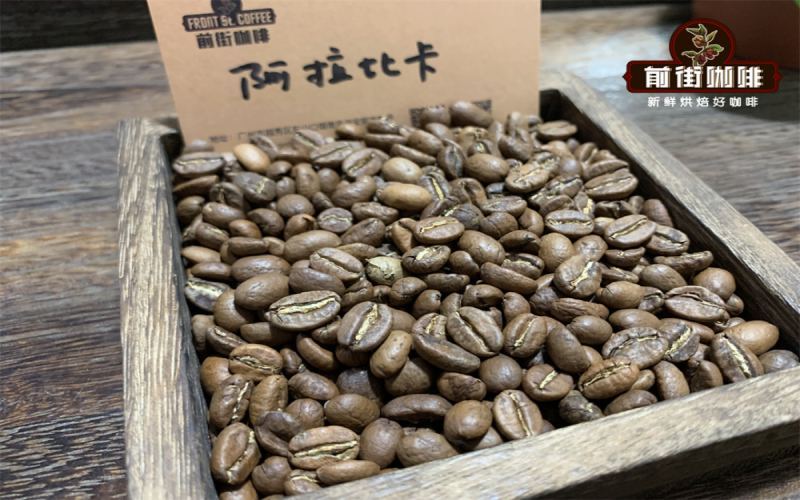
A Complete Analysis of Arabica Coffee Beans: From Variety Origins to the Flavor Characteristics of Typica, Bourbon, Caturra, and Catuai
Many people drink Arabica every day, yet may not truly understand it. Arabica is not a single variety, but one of the three major coffee species, with the best flavor and a caffeine content of only 0.8%-1.5%, while accounting for about 75% of global production. But it is inherently delicate, able to grow only at high altitudes, vulnerable to frost and drought, and prone to coffee leaf rust. From the perspective of Front Street Coffee, this article traces the origin of the name Arabica and its spread, and introduces one by one the characteristics and representative beans of several common derived varieties—Typica, Bourbon, Caturra, and Catuai—to help coffee lovers more accurately choose the cup that suits them. [more…]
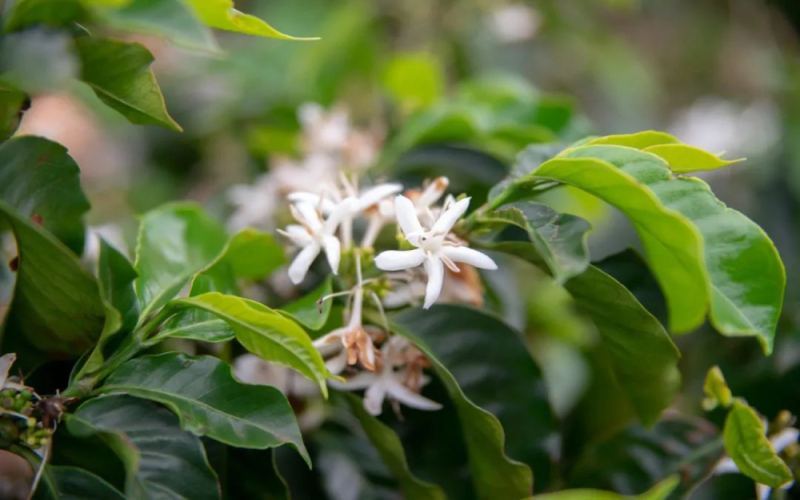
The Origin of the Geisha Coffee Name and the History of Its Variety Development: The Evolution of the Chinese Translation from Gesha to Guixia
Since winning the Panama BOP competition in 2004, Geisha coffee has firmly held the top spot in the specialty coffee world, and its elegant, refreshing flavor has captivated countless coffee lovers. However, many people discover when researching that this variety has another Chinese name — 艺妓 coffee beans. Both names refer to the same Gesha variety, but why are there two translations? What historical origins and naming considerations lie behind this? This article will trace the complete story of Geisha, from its discovery on Ethiopia's Gesha Mountain to its introduction to Panama and rise to fame, and explain the reasons and significance behind the translation "瑰夏" replacing "艺妓." At the same time, the article will also share Front Street Coffee's brewing recommendations and flavor description for Geisha from the Boquete region of Panama, for readers who are new to this variety. [more…]
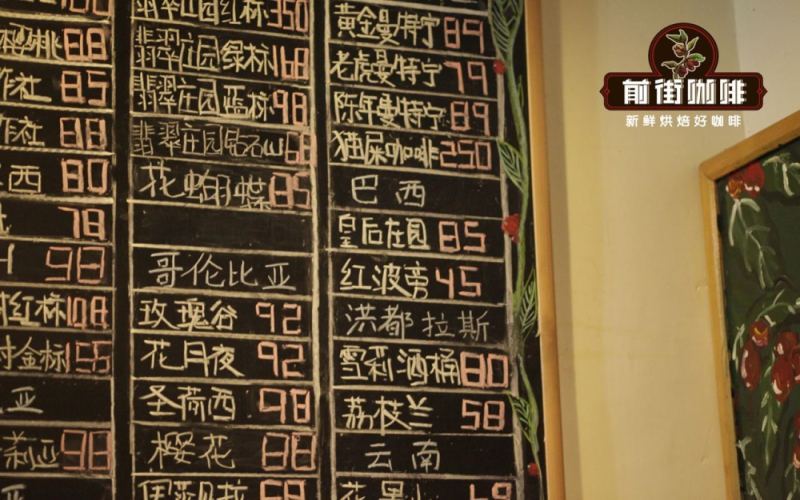
Coffee Variety Classification Standards and Flavor Differences: A Complete Analysis from Typica to Catimor
Faced with a dazzling array of coffee beans on the market, understanding variety classification is the first step for beginners. There are over 500 known coffee tree species worldwide, and with variants included, the number reaches more than six thousand. From the perspective of Front Street, this article systematically sorts out the origins and flavor characteristics of common varieties under the Arabica species, such as Typica, Bourbon, Pacas, and Catimor, and intersperses introductions to the actual performance of several corresponding Front Street products, helping coffee enthusiasts build a clear framework of variety awareness when purchasing and tasting. [more…]
Variety and Floral-Fruity Aromas: The Aromatic Genes of Geisha, SL Lines, and Heirloom Varieties
Same estate, same processing method—so why do some varieties fill the cup with floral aromatics while others taste utterly ordinary? Half of the underlying code for floral and fruity aromas is written into the coffee variety's genes. This article sorts through several star variety families to see how genes determine the aromatic destiny in the cup. Geisha: the pinnacle example of floral aroma. This one, from Eth... [more…]
Brazilian Bourbon Coffee Beans | Where Does Brazilian Yellow Bourbon Come From? Variety Characteristics and Flavor Profile of Yellow Bourbon
The coffee cherries of most varieties turn red when ripe, but the Yellow Bourbon variety is known for its ripe cherries that are yellow, and Yellow Bourbon is regarded as a precious variety in Brazil. In recent years, this variety has been highly praised by coffee buyers and roasters, partly because of its unique and high-quality flavor. [more…]
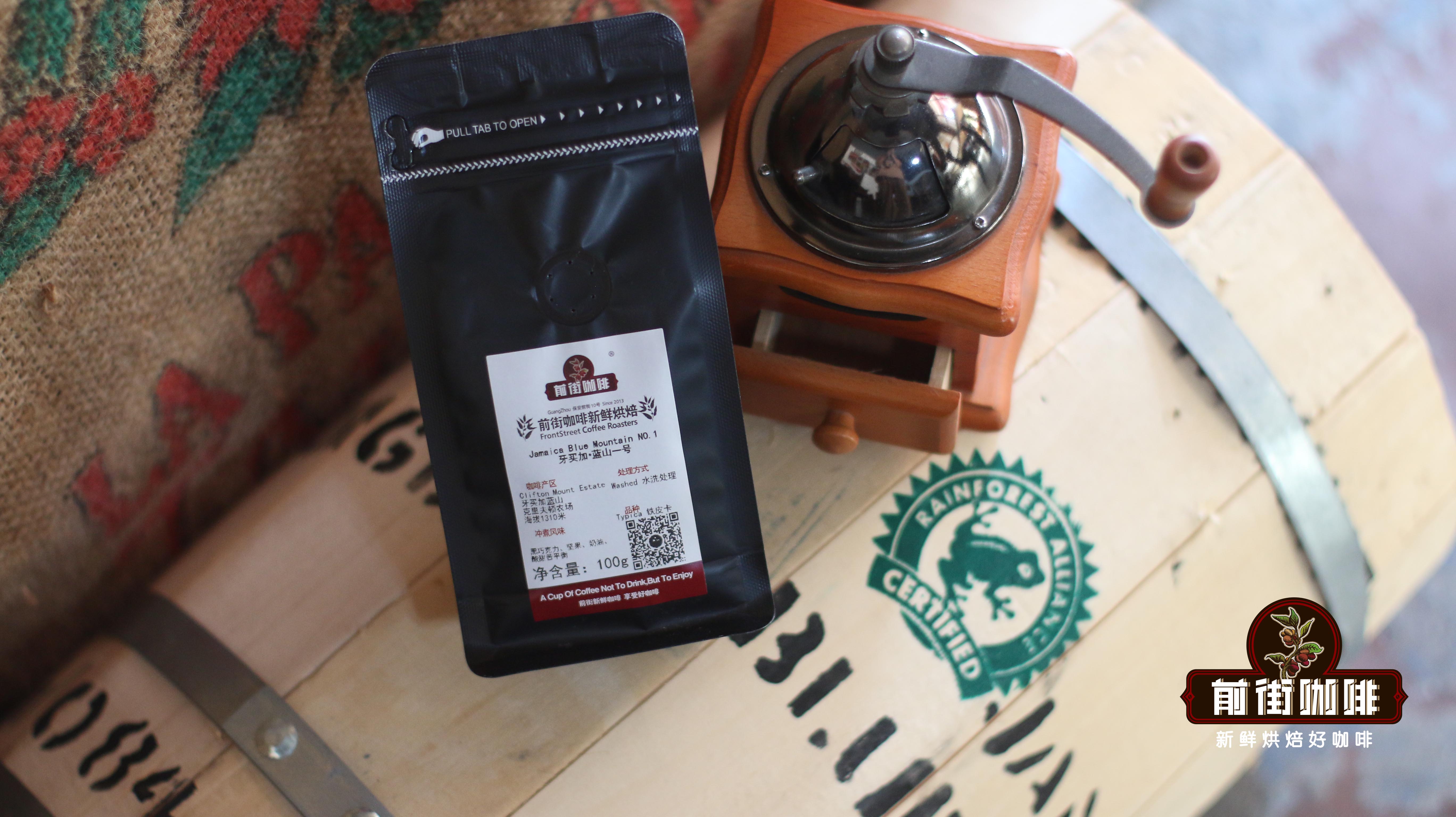
A Comprehensive Guide to 100% Arabica Coffee Beans: Variety Origins, Flavor Characteristics, and Common Representative Beans
We often hear the phrase "100% pure Arabica," but many people aren't clear on what it actually means. Arabica is actually the name of a coffee variety, not a country. It is currently the most widely cultivated and best-performing coffee variety in the world, with a caffeine content of only 0.8%-1.5%, and its output accounts for about 75% of the world's total coffee production. However, Arabica is delicate and frail, makes strict demands on the growing environment, and is prone to coffee leaf rust. Common specialty coffee beans such as Typica, Bourbon, Caturra, and Catuai are in fact all sub-varieties derived from Arabica. This article will systematically sort out the definition of Arabica, the origin of its name, and several of the most common derivative varieties on the market, to help coffee lovers gain a clearer understanding of the coffee beans they drink every day. [more…]
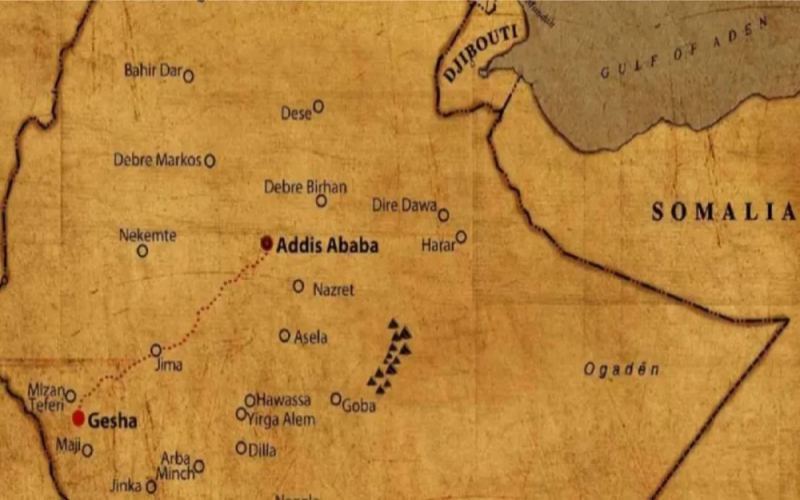
A Comparative Flavor Analysis and Variety Breakdown of Ethiopia Gesha Village Green Label vs. Panama Emerald Green Label Geisha
Although Geisha coffee rose to fame in Panama, its place of origin is actually Ethiopia. Starting from the variety's origins, this article traces Geisha's spread from the Gori Forest to Panama, introduces the background behind the establishment of Gesha Village as Ethiopia's first coffee estate and its grading system, and focuses on comparing the Green Label from Hacienda La Esmeralda and the Green Label from Gesha Village in terms of variety, processing method, and cupping flavor. Front Street Coffee presents the two distinctly different profiles using actual cupping data, helping coffee lovers clearly distinguish between these two Green Label Geishas that are often confused. [more…]
Analysis of Mandheling Coffee Origins: The Two Core Producing Regions of Sumatra and the True Identity of Indonesia's Ateng Variety
Mandheling coffee is one of Indonesia's most iconic coffees, renowned for its full-bodied, rich flavor. But do you know which areas of Sumatra it is mainly grown in? And what exactly is the often-mentioned Ateng variety? This article will take you into the Barisan Mountains of Sumatra to explore in detail the geographical characteristics and flavor differences of two core production regions—Mount Gayo in Aceh and Lintong in North Sumatra—while also revealing the true identity of the Ateng variety: it is actually the local Indonesian name for the Catimor variety. The article will also introduce Front Street Coffee's currently best-selling Lintong Mandheling and PWN Golden Mandheling, helping you gain a more comprehensive understanding of Indonesian coffee. [more…]
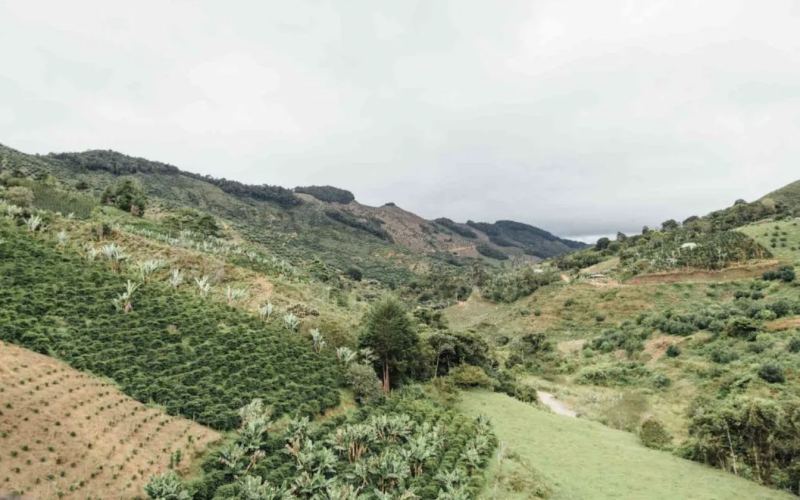
Introduction to the Chiroso variety, the champion of the best varietals group in the 2024 BOP.
In recent years, the coffee market has seen an increase in demand for some new coffee varieties. In some large competitions, some contestants choose to use new varieties for the competition, which makes the variety become popular overnight, such as t [more…]